Monday, 17 February 2025

safety harness and lanyard uses part 2


Safety harness and lanyard uses part 2
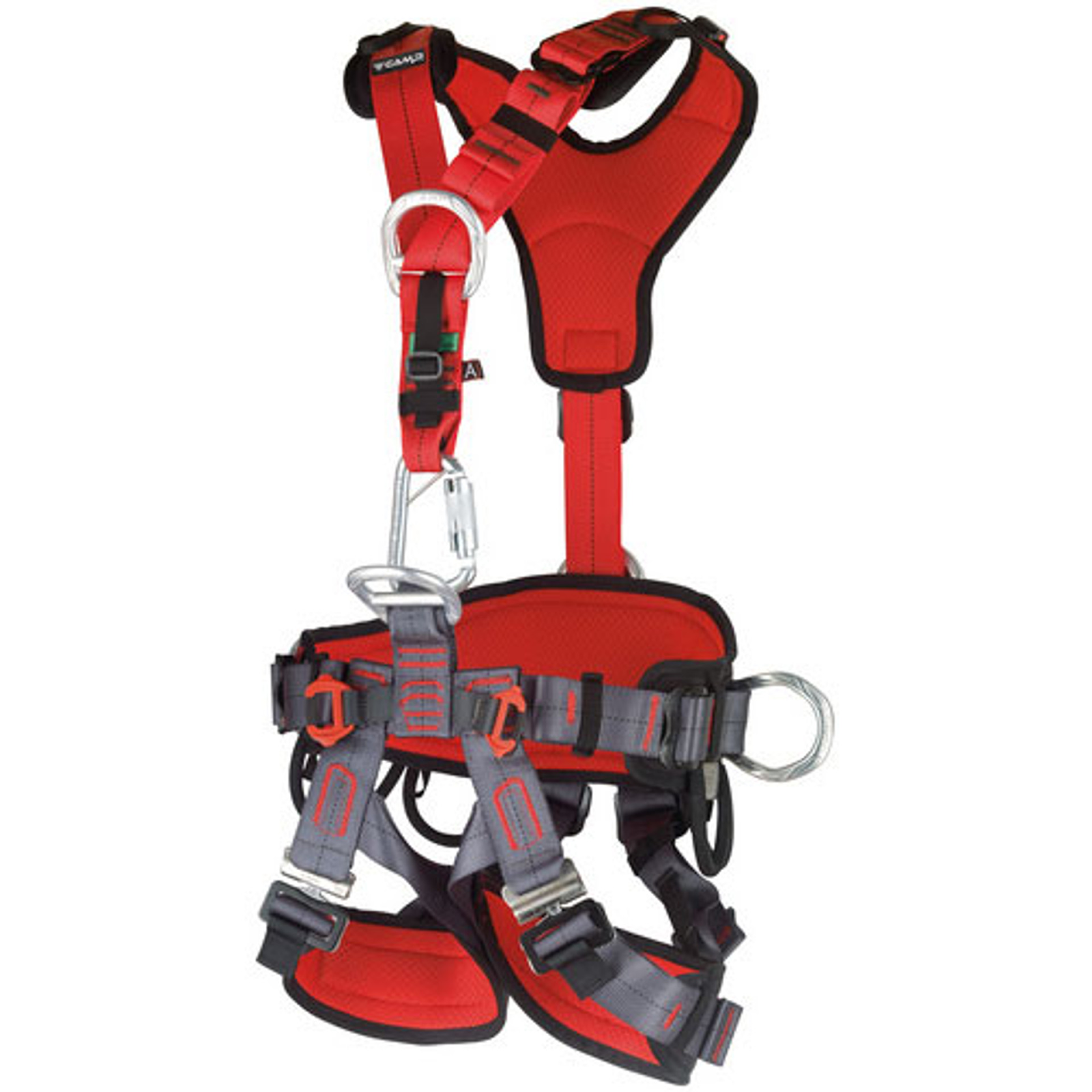
As we explained in our previous blog, safety harness and safety lanyards are very essential part of rope access. They are acting as the fall protection devices in a work at height. Here we can see the rest of the areas where safety harness and safety lanyards used for work.

safety harness suppliers

4. Aerospace and Aviation

Safety harnesses are also used in the aerospace and aviation industries, especially during maintenance and repair of aircraft. Workers are often required to work at significant heights while inside the aircraft, on wings, or around engines. Safety lanyards, often with a shock-absorbing feature, ensure that workers are safely tethered to the aircraft structure, reducing the risk of falls and injuries while working in complex, high-altitude settings.

5. Entertainment and Film Production

In the entertainment industry, workers involved in rigging, stage construction, or setting up lighting systems in theaters and arenas often work at significant heights. Safety harnesses and safety lanyards are used to secure workers during these tasks, preventing falls and accidents. Given the complex nature of entertainment venues and the need to work from elevated positions to set up stages or film sets, these safety devices are integral to protecting technicians, riggers, and performers.

6. Climbing and Adventure Sports

In the world of sports and recreation, safety harnesses and lanyards are commonly used by rock climbers, mountaineers, and zipline operators. These devices ensure that climbers are safely tethered to ropes or anchors while scaling heights. The use of a safety lanyard with shock absorption becomes particularly important in the event of a fall, as it minimizes the force of the stop, reducing the risk of injury.

7. Roofing and Painting

Workers in the roofing and painting industries are often required to work on steep or sloped surfaces. The potential for a fall is high, especially when workers are dealing with unstable footing or poor weather conditions. Safety harnesses, in combination with lanyards, prevent falls while giving workers enough flexibility to move. The harness system ensures that even if a fall occurs, the worker is safely suspended and can be retrieved or assisted quickly.

Conclusion

Safety harnesses and safety lanyards are versatile tools used across numerous industries where work at height is required. Their primary function is to reduce the risk of falls and injuries by securing workers to stable anchor points and by cushioning the impact of a fall. Whether in construction, industrial work, energy, aerospace, entertainment, or climbing, these safety devices are crucial for maintaining a secure working environment and ensuring the well-being of workers in potentially dangerous situations.

safety harness and lanyards uses


safety harness and lanyards uses

Safety harnesses and safety lanyards are essential personal protective equipment (PPE) used in a wide range of industries and work environments where the risk of falling from heights exists. Their applications span across several sectors, ensuring worker safety and compliance with safety regulations.

safety lanyard

1. Construction Industry

In the construction sector, workers are often required to work on scaffolding, roofs, elevated platforms, and other high areas. A safety harness and lanyard system is critical for protecting workers from falls. The harness ensures that workers are securely fastened to a stable anchor point while working at height, and the lanyard connects them to this anchor.

Safety Lanyards with shock absorbers help reduce the impact of a fall, making them vital for construction workers dealing with the inherent risks of working on unstable surfaces or at great heights.

2. Industrial Workplaces

Industrial environments, such as factories, warehouses, and power plants, often involve working with heavy machinery or on elevated platforms. Workers are at risk of falling from great heights or even from the sides of tanks, silos, or tall equipment. Safety harnesses and lanyards are used to ensure that workers remain secured while they perform tasks like maintenance, repair, or inspection at heights. The use of fall protection equipment in industrial settings helps minimize injuries from falls, especially when workers are handling hazardous materials or navigating complex, elevated structures.

3. Energy and Utilities

The energy sector, particularly in fields like oil and gas, wind energy, and power lines, involves high-risk work environments where workers often need to operate at significant heights. For example, workers may have to climb tall wind turbines, electrical poles, or even oil rigs to perform maintenance or repairs.

In such cases, the combination of safety harnesses and lanyards is crucial. These workers may experience extreme weather conditions, so equipment like shock-absorbing lanyards and durable, weather-resistant harnesses ensure that they are protected in these challenging environments.


safety harness and lanyards


Safety Harness and Lanyards

Safety harnesses and safety lanyards are critical components of fall protection systems, often used in high-risk work environments like construction, climbing, or industrial settings. Together, they protect workers by reducing the impact of falls and minimizing the risk of injury.

safety lanyards

A safety harness is a body-worn device that secures the worker to a stable anchor point. It typically consists of straps that go over the shoulders, around the waist, and between the legs. The harness is designed to distribute the forces of a fall evenly across the body, minimizing the strain on any one part. When properly worn, it keeps the worker in an upright position during a fall, reducing the chance of injury due to twisting or being flipped upside down.

The safety lanyard, on the other hand, is the connecting element between the harness and the anchor point. Lanyards are often adjustable, allowing the worker some freedom of movement. What sets safety lanyards apart is their ability to absorb shock during a fall.

Many safety lanyards are equipped with a shock absorber, which is designed to elongate upon impact. This controlled elongation helps slow down the fall, reducing the peak forces exerted on the body. By decelerating the worker in a controlled manner, the risk of serious injury, such as internal injuries or broken bones, is significantly reduced.

Together, the safety harness and lanyard create a fall arrest system that prevents falls from reaching dangerous speeds, while ensuring that the force of the fall is distributed across the body. This combination helps ensure workers' safety while working at heights, offering both security and mobility in high-risk environments.

Tuesday, 19 November 2024

Carabiners or Karabiners


Carabiners


A unique feature of a carabiner is its locking mechanism. While traditional carabiners are used primarily for climbing, hiking, or securing gear, many modern designs incorporate different locking systems to prevent accidental openings. For example, some carabiners have a twist-lock mechanism, where the gate twists to lock into place, while others feature auto-locking gates that automatically engage when closed.

carabiner suppliers

This adds an extra layer of security, making them not only more reliable but also more versatile for tasks like attaching equipment or creating anchor points. What's also interesting is that carabiners come in a variety of shapes (D-shape, oval, and pear), each optimized for different uses, whether it's strength, ease of clipping, or gear organization.

Carabiner in Rope Access

Carabiners are essential tools in rope access systems, where they are used to secure ropes, tools, and climbers, providing safety and efficiency during high-angle work. Here are several ways carabiners are used in rope access:

 1. Attaching to Anchor Points
   Carabiners are often used to connect the rope to a secure anchor point. The carabiner can be attached to a fixed point, such as a structural beam, rock, or a piece of climbing gear (like an anchor sling or webbing) to ensure the rope remains in place. A locking carabiner is often preferred for added security, as it prevents accidental opening.

 2. Connecting the Rope to a Harness
   Carabiners are also used to connect the climber’s harness to the rope or other equipment. The most common connection point is the belay loop on a harness, where a locking carabiner is used to attach the rope or the rope access device (like a descender or ascender). This ensures the climber is securely attached to the rope while performing tasks.

 3. Safety and Backup Systems
   Carabiners are used in secondary or backup systems as part of redundancy. For example, an additional carabiner can be used to attach a second rope to the climber or their equipment, providing a backup in case the primary system fails. The use of multiple carabiners creates a fail-safe arrangement, reducing risk.

 4. Attaching Work Tools
   In rope access, workers often need to carry tools, and carabiners provide a reliable method for securing tools to a harness. Carabiners with locking gates can be used to prevent tools from falling while workers are suspended.

 5. Rope Management and Redirecting Lines
   Carabiners can be used in rope management—for example, when setting up rope redirects or pulleys to change the direction of the rope system. By attaching a carabiner to a pulley or redirect device, you can guide the rope through a more efficient path, especially when dealing with complex setups or when accessing hard-to-reach areas.

 6. Emergency Situations (Rescue)
   In rescue scenarios, carabiners are often used to facilitate quick rescues or provide secondary safety connections. For example, in the event of a fall or equipment malfunction, carabiners can be used to quickly create an emergency rescue line or safety tether to help stabilize the climber or rescue them.

 7. Rigging and Suspension
   Carabiners are integral in rigging systems for rope access technicians. They are used to secure ropes to support structures and provide stable suspension. They are especially useful in rigging anchor systems where several carabiners can be connected to create a strong and reliable system.

 Key Considerations When Using Carabiners for Rope Access:
- Strength Rating: Always check the carabiner’s strength rating (usually measured in kN, kilonewtons). This ensures it can handle the load you're working with.
- Locking Mechanism: For safety, always use locking carabiners when working in rope access. This prevents accidental openings and ensures a secure connection.
- Correct Orientation: When using a carabiner in a load-bearing position, make sure it is aligned properly, with the spine (the strongest part of the carabiner) facing the load. This maximizes the carabiner’s strength.
- Regular Inspection: Carabiners should be regularly checked for wear, damage, or deformation, especially if they're exposed to harsh conditions like saltwater, high heat, or chemical exposure.

By using carabiners effectively, rope access professionals can ensure both safety and efficiency when working at height or in difficult-to-reach locations.


Wednesday, 30 October 2024

CAMP carabiner and lanyards

CAMP Carabiner and lanyards

A camp carabiner is a versatile and essential piece of gear for outdoor enthusiasts. Typically made from aluminum or steel, these metal loops feature a spring-loaded gate that allows for quick and secure attachment of ropes, gear, and other equipment. They come in various shapes and sizes, catering to different activities like climbing, hiking, and camping. While they're designed to withstand significant weight and force, it's crucial to choose the right type for your specific needs and to always check for wear and tear. Overall, a good camp carabiner enhances safety and organization in any outdoor adventure!
carabiner

Carabiner suppliers UAE, offer a wide range of high-quality gear for outdoor activities, climbing, and industrial applications. These suppliers typically stock various types of carabiners, including lightweight aluminum options and heavy-duty steel models, catering to both recreational users and professionals.
Many carabiner suppliers UAE also provide related equipment, such as harnesses, ropes, and safety lanyards, and gear, ensuring that customers have everything they need for their adventures. With a growing focus on outdoor activities and adventure sports in the region, these suppliers play a crucial role in promoting safety and quality for outdoor enthusiasts in the UAE.

Lanyard suppliers UAE provide a diverse selection of lanyards for various applications, including safety, promotional events, and corporate branding. These suppliers often offer customizable options, allowing businesses to print logos or messages on lanyards for marketing purposes.
In addition to standard fabric lanyards, many suppliers also offer specialty designs, such as breakaway lanyards for safety in industrial settings, or retractable lanyards for convenience. With the UAE's focus on events, exhibitions, and outdoor activities, lanyard suppliers play a key role in ensuring that businesses and organizations have the right tools for identification and branding.

Tuesday, 29 October 2024

Activated alumina and its importatnce

Activated alumina and its importance

Activated alumina is a highly porous material derived from aluminum oxide, known for its exceptional adsorption properties. Its importance spans various applications, primarily in water treatment, where it effectively removes fluoride, arsenic, and other contaminants, ensuring safer drinking water. Additionally, it plays a vital role in air purification by absorbing moisture and harmful gases, which helps improve indoor air quality.

activated alumina suppliers
Activated alumina

In industrial processes, activated alumina serves as a catalyst support and drying agent, enhancing efficiency in chemical reactions and reducing operational costs. Its ability to regenerate after use makes it a cost-effective and sustainable choice in many applications. As industries increasingly prioritize environmental sustainability, the demand for activated alumina continues to grow, highlighting its crucial role in both environmental protection and industrial efficiency.

Activated alumina suppliers play a crucial role in various industries by providing a highly porous form of aluminum oxide that is used primarily for adsorbing moisture and contaminants from gases and liquids. These suppliers typically focus on delivering high-quality products that meet specific standards, ensuring effective performance in applications such as water treatment, air purification, and catalyst support.

The choice of a reliable supplier is essential, as it impacts the efficiency and reliability of the processes that utilize activated alumina. Additionally, many activated alumina suppliers are now emphasizing sustainability and environmentally friendly practices in their production methods to meet the growing demand for greener solutions.

Thursday, 7 December 2023

Chemical etching


Chemical Etching


The most used technique for etching metal is this procedure, which is also known as photo chemical etching. It can replicate a remarkably high degree of detail. Other resist techniques that are frequently employed in metal etching are: resists printed on a screen, resistible to laser engraving, Resist vinyl, Direct imaging using a laser, and resists produced directly with an inkjet. 

chemical etching UAE

Chemical milling is different than chemical etching. A highly precise method called chemical milling is used to turn sheet metal into complicated pieces and components. The artwork is put on both sides of the material and etched from both sides to cut through the material completely during the chemical milling process.

Chemical milling offers an accurate and cost-effective option for many precision metal applications as an alternative to "conventional" processes including laser, chemical etching, water jet, stamping, or wire EDM.

Scafftag

Notifying test status, indicating when testing is required, and creating an audit trail are the goals of a scafftag. This all works together to ensure a decrease in workplace accidents. You use scaffold tags to safeguard the lives of your employees. It indicates if using a scaffold is safe or dangerous. While tagging scaffolds, adhere to the following instructions.

A qualified individual with scaffold erection experience is required to inspect and add the scafftag to the scaffold. The green tag is a comforting and reliable emblem of safety. When it's hung from scaffolds, it means extensive inspections have been completed, attesting to the safe operation of the scaffold.

This badge attests to the thorough inspection of every component, link, and detail in accordance with stringent safety regulations. Scafftags can communicate to the people even if they are not familiar with that surroundings.


Finding the Right VFD in the UAE

Finding the Right VFD in the UAE: A Guide to Industrial Motor Control Industrial equipment depends on reliable motor performance to keep pro...